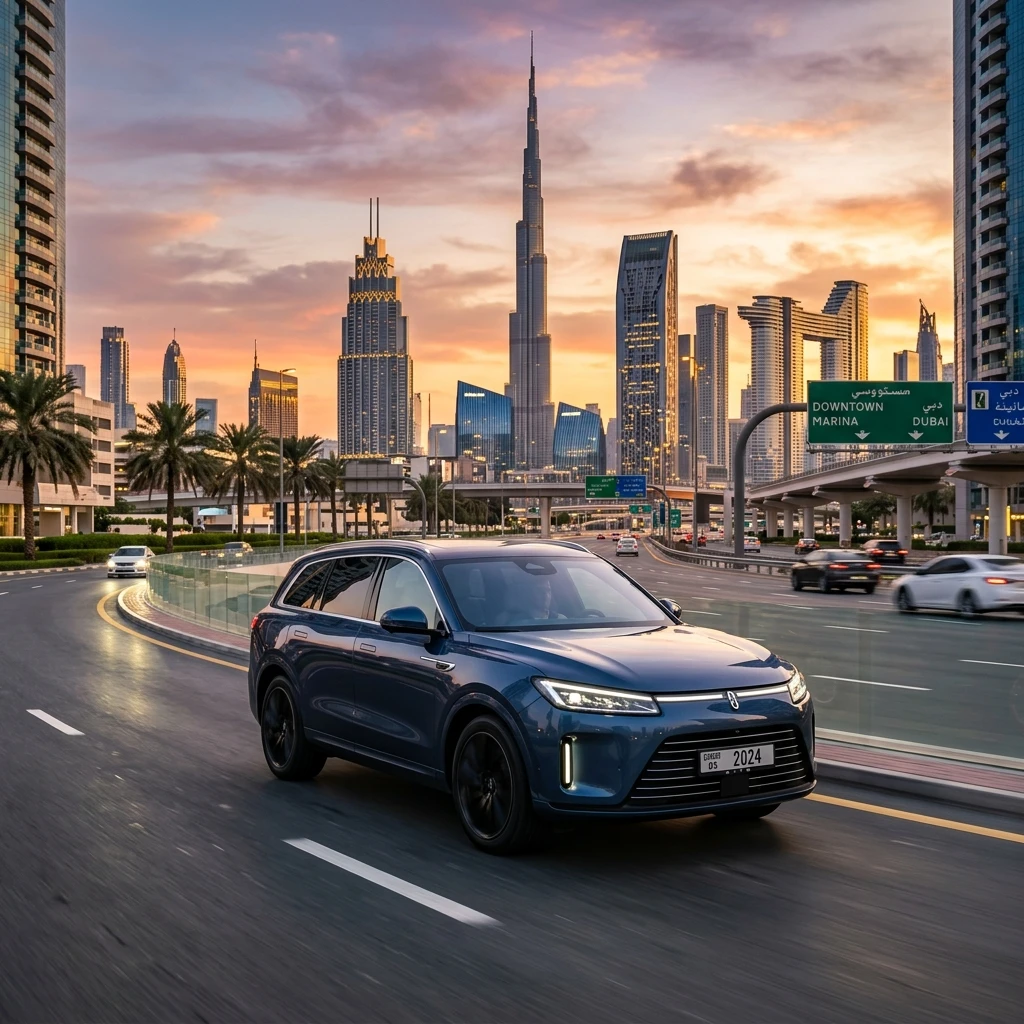
In 2026, the sandy dunes of Dubai and the sleek highways of Riyadh are witnessing a silent, green revolution. Chinese-manufactured electric vehicles (EVs), from luxury sedans to smart SUVs, have taken the Middle East automotive market by storm. This is not just a triumph of pricing—it is the result of a precise, high-tech adaptation strategy tailored to one of the world's most demanding driving environments.
The ultimate barrier for any electric vehicle entering the Gulf Cooperation Council (GCC) region is extreme desert heat, where summer temperatures frequently exceed 50°C. To ensure absolute battery safety and range retention, leading Chinese manufacturers (such as BYD, Zeekr, and GAC Toyota with the bZ4X) have developed advanced, liquid-cooled thermal management systems. These systems actively regulate battery temperatures, preventing degradation and maintaining rapid DC fast-charging performance even during the hottest hours of the day.
Beyond physical durability, software localization has been the secret weapon for Chinese automotive software engineers. Modern Chinese EVs exported to the Middle East now feature fully integrated, localized smart operating systems. These include advanced Arabic voice recognition systems that understand regional dialects, high-definition Middle East navigation mapping, and locally relevant infotainment app stores. By prioritizing local software integration, Chinese cars feel deeply intuitive and personalized to Gulf consumers.
The rapid rise of Chinese EVs is further accelerated by aggressive green infrastructure expansion across the Middle East. Governments in Saudi Arabia and the UAE are partnering with Chinese state-grid enterprises to rapidly deploy thousands of high-power EV charging terminals. This cooperative infrastructure expansion has effectively eliminated 'range anxiety' for local drivers, transforming electric cars from a futuristic alternative into a highly practical daily necessity.
For global importers and Middle Eastern auto dealerships, partnering with leading Chinese auto exporters has become a cornerstone of future profitability. The combination of thermal-resilient battery tech, localized smart cockpits, and robust support services guarantees that Chinese EVs are perfectly positioned to lead the Middle East's green transportation future.