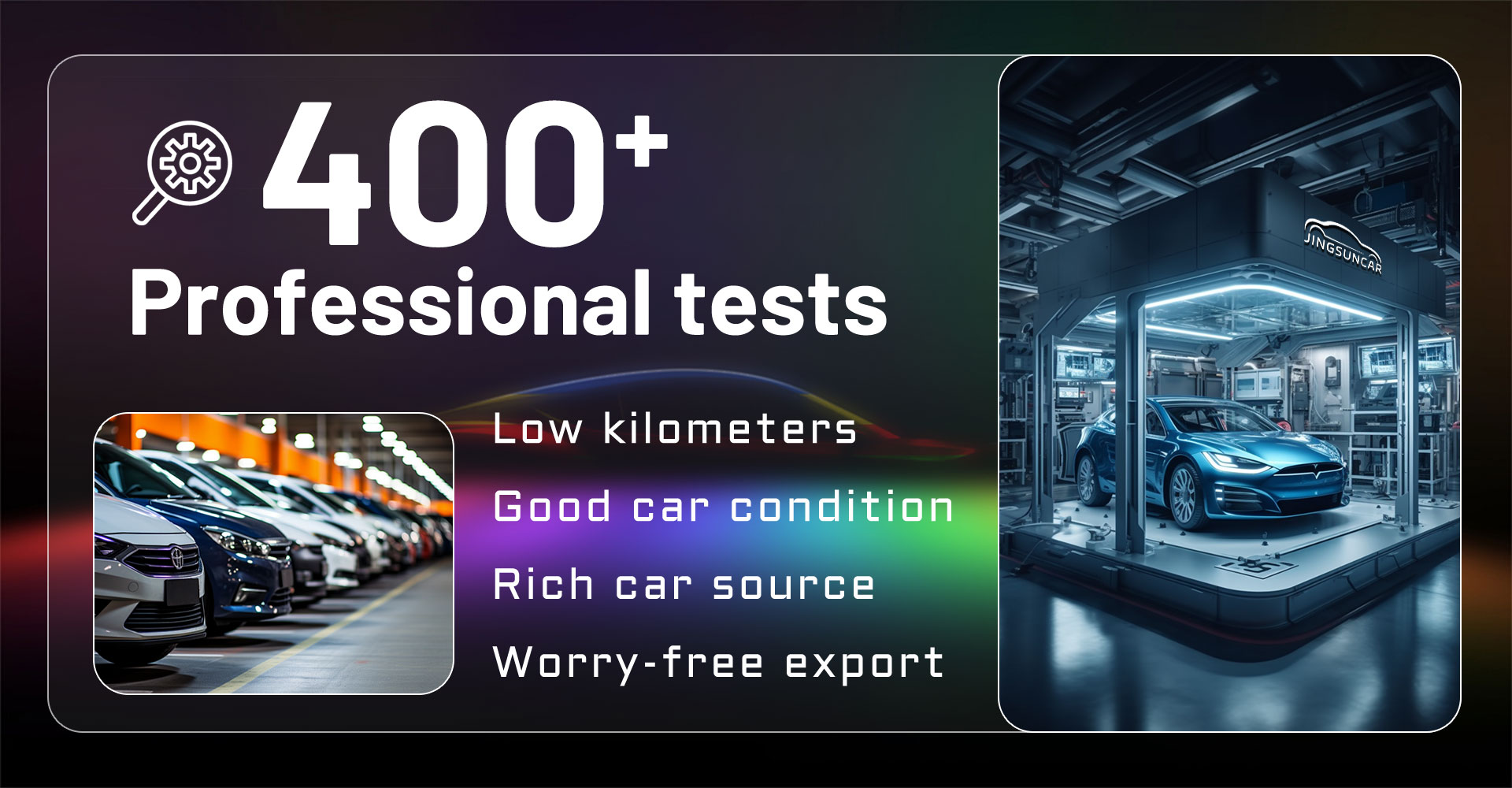
Introduction: The Global EV Trade Boom in 2026
The international automotive landscape is undergoing a profound transformation, driven by the accelerating electrification of global transport. According to the latest Global Trade Update by the United Nations Conference on Trade and Development (UNCTAD), technology-intensive sectors linked to the clean mobility transition emerged as the strongest performers in the first half of 2026. Global trade in electric vehicles expanded by 11% in the first quarter, while battery trade rose by 15%, and trade in critical minerals surged by an impressive 38%.
This robust expansion contributed to global goods trade reaching an estimated $13.7 trillion in H1 2026, a 12.5% increase year-over-year. However, international buyers and traders must navigate a complex pricing environment. UNCTAD noted that a significant portion of this trade value increase reflected higher prices rather than purely volume growth. Shipping disruptions through the Strait of Hormuz and rising global energy costs pushed traded goods prices up by approximately 3.6% in Q1 and an estimated 5.1% in Q2. Despite these logistical headwinds, the underlying demand for electric mobility remains unshakeable, creating unprecedented opportunities for global auto importers.
Record-Breaking EV Adoption: Europe and Global Markets Lead the Charge
European Markets Surge to Record Highs
The demand for electric vehicles is no longer a niche trend; it is the new baseline for global auto consumption. The International Energy Agency (IEA) projects that global EV sales will approach 30% of all new-car purchases in 2026. This follows a landmark 2025, where more than 20 million electric cars were sold worldwide—a 20% increase—with China accounting for six in ten of those sales.
Europe, in particular, is demonstrating massive momentum. In June 2026 alone, the EU registered 270,557 new battery-electric vehicles (BEVs), marking a 60.7% jump compared to the previous year. For the first half of 2026, over 1.22 million electric cars found new owners, pushing the BEV market share to 20.7%. This means roughly one in five new cars sold in the EU now runs on electricity alone.
- Germany: In a historic milestone for the birthplace of the automobile, BEVs became the single best-selling powertrain category in June 2026, with 84,057 units registered (a 78.2% year-over-year increase) and capturing a 28.4% market share.
- France: Posted a dramatic 93.5% year-over-year gain in June, registering 55,851 electric cars.
Southern Europe Wakes Up
Perhaps more significant for long-term trade volumes is the acceleration in historically lagging Southern European markets. Italy registered 14,869 EVs in June, an 86.6% increase, while Spain saw a 26.5% increase with 14,224 units. For international dealers and importers, this widespread European acceleration signals that EV sourcing is no longer limited to Scandinavia or the Benelux countries; the entire continent is hungry for electrified vehicles.
China's Unmatched Supply Chain: 1.8 Million Enterprises Powering Global Exports
At the heart of this global EV revolution is China's formidable manufacturing and supply chain ecosystem. East Asia, led by China and the Republic of Korea, remains the driving force behind the expansion in electric mobility supply chains, posting strong import and export performances that underpin global technology trade.
The scale of China's domestic market and industrial base is staggering. In the first half of 2026, new energy vehicle (NEV) registrations in China reached 5.195 million units, accounting for 49.42% of all new car registrations—meaning nearly half of all new cars sold in China are now electrified. The total NEV fleet has reached 48.97 million vehicles, with pure electric vehicles making up 68.77% of this total.
Crucially for global B2B buyers, this manufacturing dominance is backed by a massive industrial cluster. Current data indicates that there are over 1.799 million NEV-related enterprises currently operating in China. The "golden triangle" of Guangdong (over 197,000 enterprises), Shandong (over 162,000), and Jiangsu (over 130,000) forms the core of this ecosystem. Even amidst fierce market competition in 2026, more than 115,000 new NEV-related enterprises were registered in the first half of the year alone. This relentless capital and entrepreneurial influx ensures a steady, diverse, and highly competitive supply of both new and used vehicles for export markets.
The Rising Tide of Used EVs and Domestic Circulation
While new car production grabs headlines, the circulation of used vehicles presents a massive, often underutilized avenue for international auto traders. The Chinese domestic used car market is experiencing vigorous growth, directly feeding the export pipeline for markets in Africa, the Middle East, Southeast Asia, and South America.
In the first half of 2026, national vehicle transfer registrations reached 17.05 million transactions. Notably, cross-regional used passenger car transactions hit 3.45 million, representing an 11.98% year-over-year increase. This robust domestic turnover means a continuous influx of high-quality, late-model used vehicles—including a rapidly growing number of used EVs—entering the wholesale market. For global importers, this translates to wider margins and more diverse inventory options to meet the varying purchasing power and infrastructure readiness of different international markets.
Strategic Sourcing Implications for International Importers
Navigating Logistics and Costs
The convergence of surging global EV demand and rising logistics costs creates a unique strategic environment. With UNCTAD highlighting price increases driven by shipping disruptions and energy costs, securing reliable freight forwarding and optimizing container or Ro-Ro shipping schedules is critical to protecting profit margins. International buyers must factor in these logistical premiums when calculating landed costs.
Diversifying Portfolios and Leveraging Used EVs
While European markets are rapidly adopting BEVs, emerging markets still require a mix of ICE, hybrid, and entry-level EVs. China's massive domestic market offers a one-stop sourcing solution for all these categories. Furthermore, as China's NEV fleet approaches 50 million vehicles, the domestic turnover will generate millions of used EVs. Importers in regions with developing charging infrastructure can source these vehicles at highly competitive prices, provided they understand local compliance and battery health standards.
Conclusion: Capitalizing on the Electrification Shift
The global automotive trade is undeniably in the midst of an electrification supercycle. With EV trade growing by 11%, European market shares hitting record highs, and China's 1.8 million enterprise ecosystem churning out millions of new and used vehicles, the opportunities for international buyers are vast. Success in 2026 and beyond will belong to importers who can effectively navigate the logistical complexities of global trade while strategically tapping into the unparalleled scale and diversity of the Chinese automotive supply chain.