

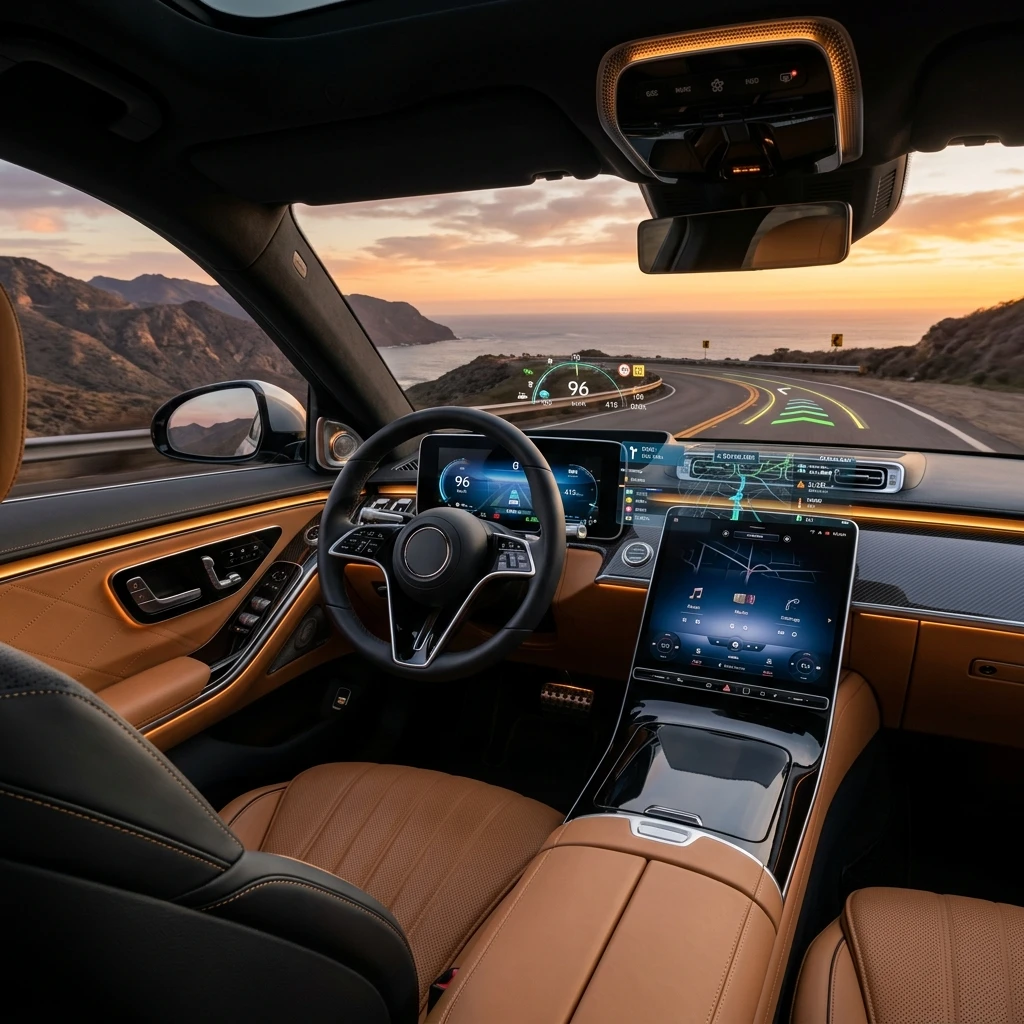
In 2026, the primary battleground of the global automotive industry has officially shifted from traditional mechanical specifications to software-defined intelligent cockpits. For international auto dealers, sourcing managers, and vehicle import agencies, the quality of a vehicle's smart software system has become a decisive factor in customer acquisition. Chinese-manufactured smart cars are leading this software-defined trend, providing an unparalleled digital driving experience that traditional international car brands are struggling to match.
At the core of this smart cockpit explosion is the integration of multi-modal AI intelligent assistants. Leveraging powerful automotive-grade chips (such as the Qualcomm Snapdragon 8295 and localized AI accelerators), modern Chinese vehicles now feature voice assistants that can understand natural, multi-turn dialogue, localized regional accents, and complex multi-intent commands. This allows drivers in the Middle East, Europe, and South America to control navigation, climate, and media through highly intuitive, voice-controlled systems in their native languages.
Furthermore, advanced augmented reality head-up displays (AR-HUD) are rapidly replacing conventional instrument clusters. Modern AR-HUD systems project high-definition, real-time navigation directions, active safety alerts, and lane-keeping markers directly onto the windshield, seamlessly overlaying digital data with the physical road. This futuristic visual technology dramatically improves driving safety and represents a massive selling point that dealers are actively using to attract high-value premium retail customers.
Continuous software evolution through seamless Over-The-Air (OTA) updates is another decisive advantage of Chinese smart vehicles. Unlike traditional cars that remain static after leaving the showroom, Chinese smart cars are continuously upgraded with new active safety algorithms, fresh UI designs, and expanded app libraries over their lifecycle. For global auto distributors, this means the vehicles they import can constantly remain technologically competitive and hold high residual value in secondary markets.
In conclusion, the 2026 smart cockpit boom is reshaping the sourcing patterns of the global automotive trade. Sourcing smart, software-rich vehicles from China is no longer a luxury choice—it has become a core strategy for international car dealerships and fleet buyers to secure rapid inventory turnover and maximize profit margins. Partnering with a reliable exporter that can deliver verified smart cars is the ultimate key to trade success.