As we move through 2026, the global automotive supply chain is experiencing a major logistics relief. For the past few years, a severe shortage of specialized Roll-on/Roll-off (Ro-Ro) shipping vessels had driven ocean freight rates to historic highs, squeezing the profit margins of international vehicle importers. However, 2026 represents a critical turning point as dozens of newly built mega-Ro-Ro carriers enter global sea lanes, resulting in a dramatic 20% drop in total landed costs to key markets like Europe, the Middle East, and Latin America.
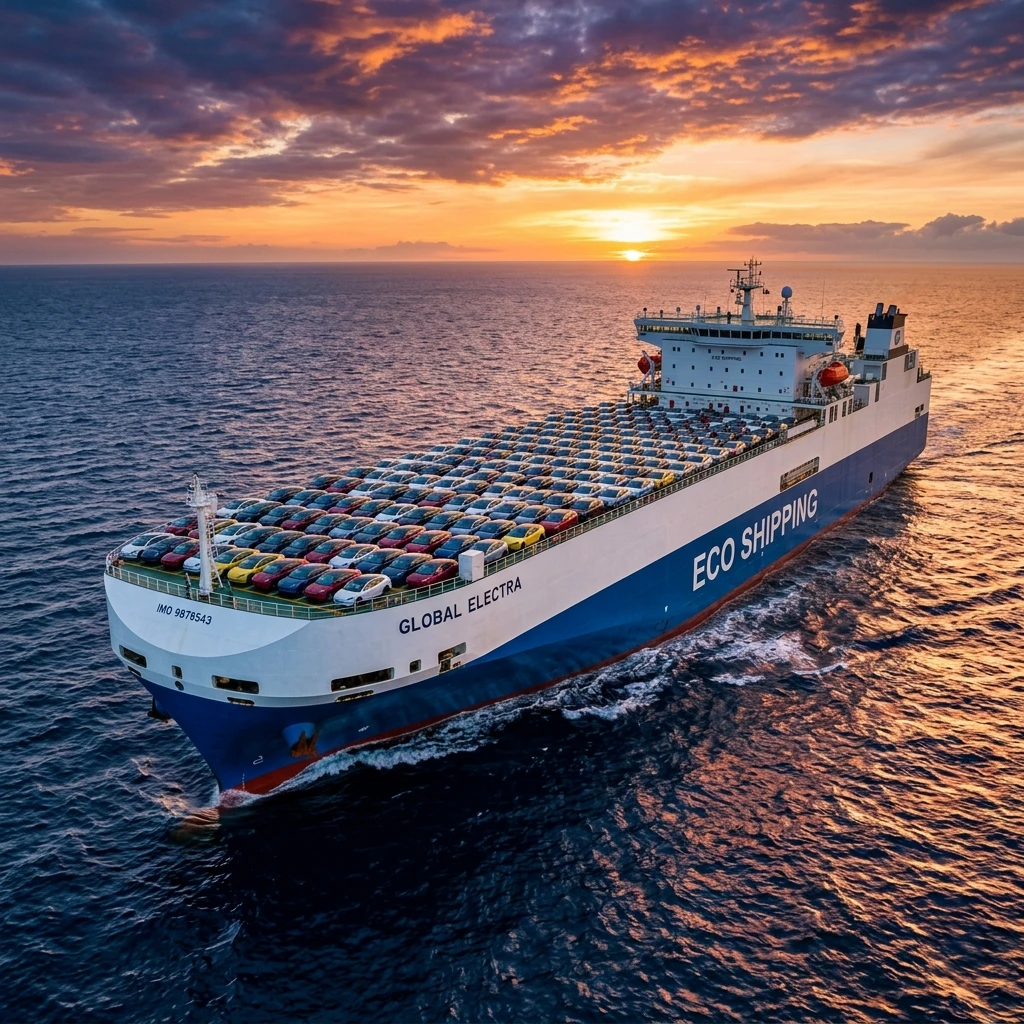
The primary driver of this logistics revolution is the massive shipbuilding delivery cycle peaking in 2026. Major global shipping lines and Chinese automotive giants (including BYD and SAIC, who have built their own dedicated shipping fleets) have commissioned ultra-large pure car and truck carriers (PCTC) with capacities exceeding 7,000 to 9,000 vehicles per vessel. This huge surge in shipping capacity has effectively ended the shipping bottleneck, driving container and Ro-Ro freight spot rates down significantly.
For auto dealers and fleet managers in the GCC region (particularly UAE and Saudi Arabia), this freight rate reduction directly improves cash flow and inventory optimization. A 20% decrease in landed cost (CIF plus customs duties and local port handling) allows regional distributors to offer highly competitive retail pricing on smart electric SUVs and high-quality used passenger cars imported from China, while simultaneously expanding their wholesale margins.
Europe and North Africa are also benefiting enormously from this shipping capacity surge. Ports like Zeebrugge, Rotterdam, and Casablanca are handling record volumes of vehicle roll-outs with much shorter port turnaround times. Lower logistics friction means international buyers can now secure custom-configured passenger cars and light commercial vehicles with faster delivery timelines, reducing transit inventory holding costs by weeks.
In conclusion, the 2026 global car shipping boom is reshaping the economics of international automotive trading. Sourcing vehicles from China is now more financially attractive than ever. To capital-efficient car dealerships, individual buyers, and fleet operators globally, capitalizing on this freight cost window represents a premier strategic opportunity to secure high-demand vehicle inventory and drive long-term business growth.