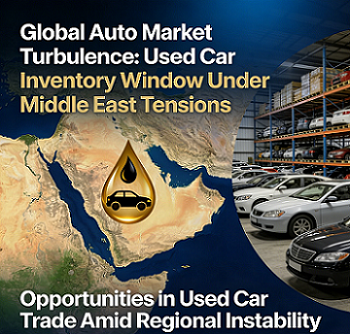
The recent conflict in the Middle East has brought significant turbulence to the international automotive trade, especially affecting shipping, fuel costs and market demand.
First, shipping routes are severely disrupted. The Strait of Hormuz and Red Sea are under high risk. Car carriers have to detour, leading to soaring freight and insurance costs, longer delivery time, and delayed orders to Europe, Africa and the Middle East.
Second, international oil prices rise sharply. High fuel costs reduce demand for gasoline cars, while new energy vehicles (EVs & PHEVs) become more competitive due to lower operating costs.
Third, Middle East markets face great uncertainty. Orders, payments and logistics face higher risks. Many importers delay purchases and postpone cooperation.
For exporters, emerging markets including Southeast Asia, Latin America, Central Asia and Russia are safer choices. Focusing on new energy vehicles, optimizing logistics routes and preparing overseas warehouses will help reduce risks and maintain stable growth.
The conflict accelerates industry changes: higher logistics costs, faster electrification and more diversified market layout.