The Shifting Landscape of Global Automotive Compliance
As we navigate the second quarter of 2026, the global automotive trade sector is undergoing a profound regulatory transformation. For international car buyers, traders, and dealers, the days of focusing solely on vehicle specifications and pricing are over. Today, cross-border vehicle trade is heavily dictated by stringent lifecycle tracking, digital security mandates, and evolving carbon taxation. Understanding these policy shifts is no longer optional; it is a critical prerequisite for successful customs clearance and market entry.
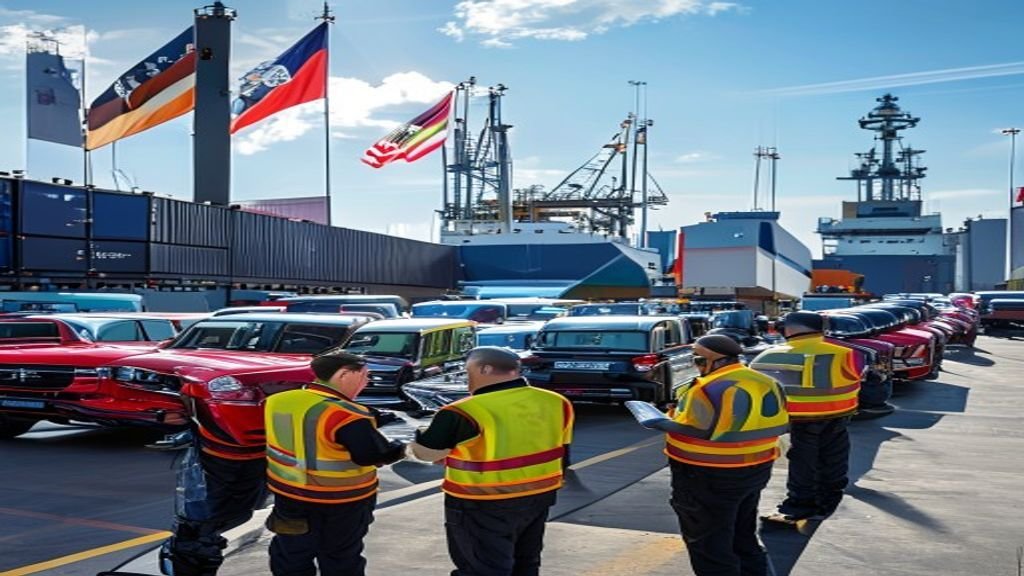
At sin-auto.com, we closely monitor these regulatory developments to ensure our global partners can seamlessly import both new and used vehicles. Below, we break down the most critical policy and regulation updates shaping the 2026 automotive export landscape.
1. ECE R155 Cybersecurity Mandate: A New Hurdle for Heavy-Duty Exports
Effective May 1, 2026, the UN Economic Commission for Europe (UNECE) Regulation No. 155 has become fully mandatory across all 38 UNECE WP.29 contracting parties, including the EU, UK, Japan, South Korea, and Australia. This regulation governs cybersecurity management systems (CSMS) and vehicle type approval (VTA) for cyber-physical automotive systems.
What Importers and Fleet Buyers Need to Know
For heavy-duty truck exporters and importers, non-compliant vehicles will be barred from type approval. This leads directly to customs clearance failures, order cancellations, and severe project delays. Compliance requires both a certified CSMS at the manufacturer level and successful VTA for each specific model.
- Direct Export Enterprises: Without valid CSMS certification, OEMs cannot obtain national type approval in destination countries, blocking registration and import duty settlement.
- Supply Chain Traceability: Procurement teams and importers must now verify upstream cybersecurity compliance documentation, including secure development lifecycle evidence from Tier-1 suppliers.
- Manufacturing Integration: Exporters must implement secure over-the-air (SOTA) update mechanisms and maintain version-controlled cybersecurity records for every vehicle variant.
2. The Battery Passport Deadline and Solid-State Standardization
The electrification of global transport has triggered a parallel revolution in battery regulation. The European Union’s New Battery Law, which took effect in early 2024, sets a final deadline of February 18, 2027, for the implementation of battery passports. Power batteries lacking full lifecycle traceability will soon face severe market access restrictions in Europe.
China’s Pioneering Solid-State Battery Standards
Simultaneously, China is standardizing its next-generation battery exports. On July 1, 2026, GB/T 43568-2026—the world’s first national standard for automotive solid-state batteries—officially took effect. This standard eliminates ambiguous commercial terms like semi-solid or quasi-solid and strictly categorizes batteries by liquid electrolyte mass fraction:
- Liquid battery: Greater than 20% liquid electrolyte
- Hybrid solid-liquid battery: 5% to 20% liquid electrolyte
- All-solid-state battery: Less than 5% liquid electrolyte (with specific weight loss requirements after vacuum drying tests)
For global traders sourcing EVs from China, aligning with these standardized definitions is crucial. It ensures that the technical documentation provided to overseas customs and regulatory bodies is accurate, transparent, and compliant with emerging international frameworks.
3. Carbon Tariffs, EU CO2 Penalties, and Trade Realities
Low-carbon initiatives have evolved from moral ESG consensus into hard geopolitical trade metrics. While the U.S. has adjusted its decarbonization timelines, Europe and China are doubling down, albeit with shifting strategies.
Europe’s Flexible but Punitive Emissions Scheme
In late 2025, the European Commission rescinded the rigid plan to ban internal combustion engine sales by 2035. Instead, it introduced a more flexible scheme requiring automakers to cut average new vehicle CO2 emissions by 90% from 2021 levels by 2035, assessed on a three-year average. However, the immediate pressure is immense. In Q1 2026, most automakers missed their interim targets, resulting in an estimated €5 billion to €8 billion in expected CO2 compliance fines, with major legacy brands hit the hardest.
Navigating Tariffs and Localized Production
To protect local industries, rigid bans are transforming into exorbitant hidden compliance costs. The EU’s countervailing duties on Chinese electric vehicles, active since February 2026, range from 17% to 38%. In response, Chinese manufacturers are accelerating localized production, such as BYD’s upcoming Hungary plant slated for late 2026. Importers must factor these tariffs and the shifting supply chain dynamics into their landed cost calculations when sourcing EVs from Asia.
4. Shifting Taxation: The UK’s Mileage-Based eVED
For traders and fleet operators targeting the UK market, a fundamental shift in vehicle taxation is on the horizon. The UK government has published the framework for the Electric Vehicle Excise Duty (eVED), set to take effect on April 1, 2028.
Unlike traditional fixed-rate vehicle taxes, eVED introduces a mileage-based charge for zero-emission and plug-in vehicles:
- Battery Electric Vehicles (BEVs) and Hydrogen Fuel Cell Vehicles: 3 pence per mile
- Plug-in Hybrid Electric Vehicles (PHEVs): 1.5 pence per mile
This policy effectively ends the tax advantages previously enjoyed by EV drivers in the UK. For B2B buyers and importers, this necessitates a complete recalculation of the Total Cost of Ownership (TCO) for commercial fleets. Vehicles with high projected mileage will see significantly different financial profiles, influencing which models are most attractive for import and resale.
Strategic Sourcing in a Regulated World
The 2026 regulatory environment demands a proactive approach to automotive foreign trade. From the cybersecurity mandates of ECE R155 to the granular battery classifications of GB/T 43568-2026, compliance is now woven into the very fabric of vehicle manufacturing and export.
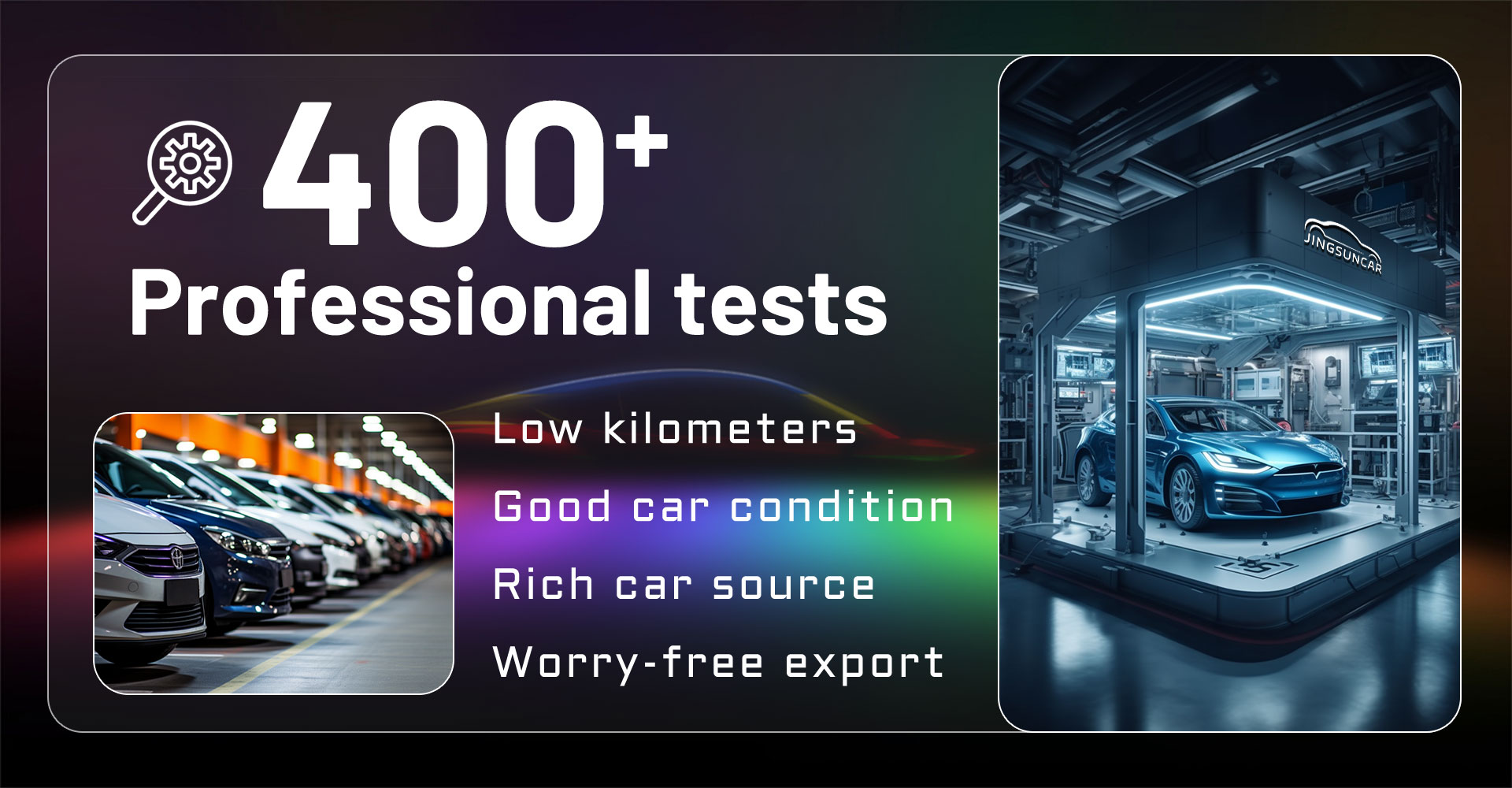
At sin-auto.com, we bridge the gap between complex international regulations and seamless vehicle procurement. Whether you are importing used cars to emerging markets or sourcing new energy vehicles for regulated territories, our comprehensive inspection, documentation, and compliance verification processes ensure your cargo meets global standards. Partner with a trusted export leader to navigate the complexities of modern auto trade and keep your business moving forward.