1. Record-Breaking Quarter for Chinese Auto Exports
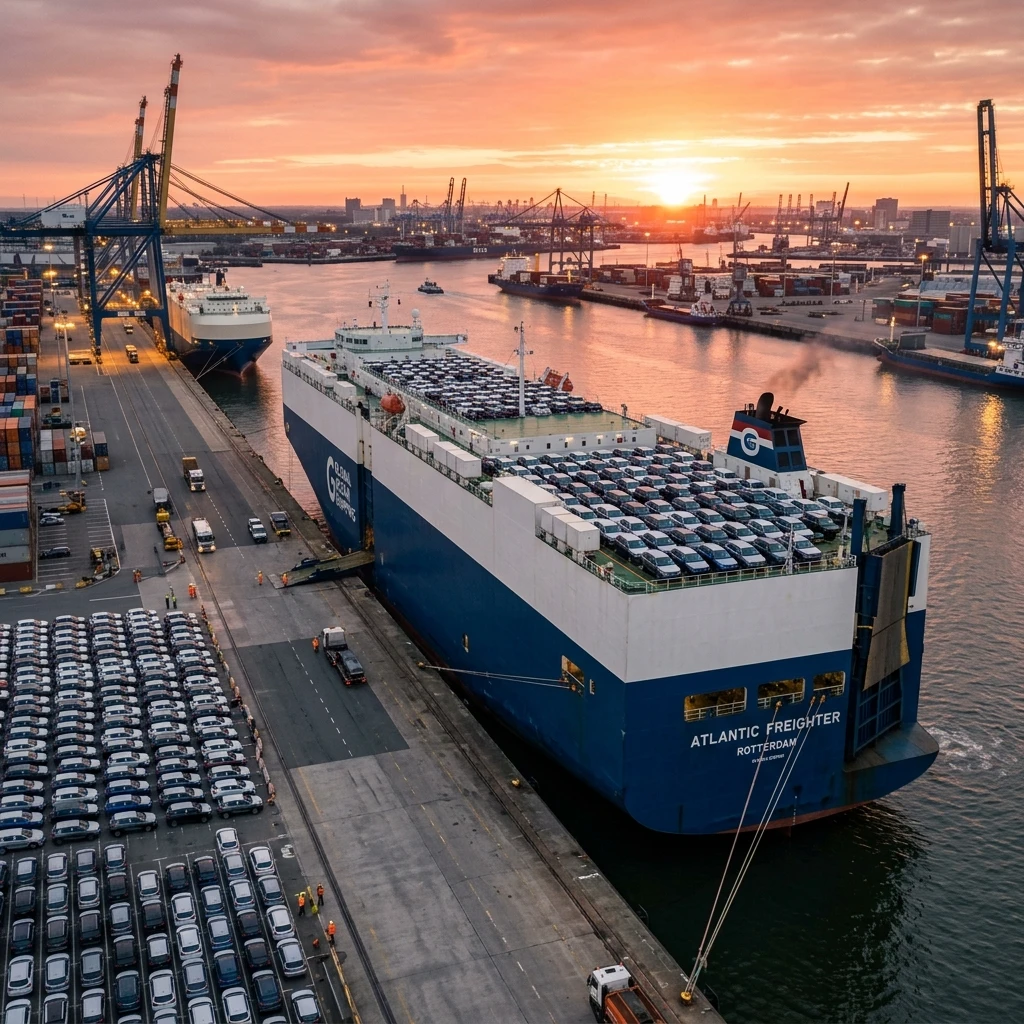
China's automotive industry achieved an unprecedented milestone in the second quarter of 2026, with total vehicle exports surpassing 1.5 million units, representing a 30% year-over-year increase. This remarkable growth positions China as the world's leading automobile exporter for the third consecutive year.
The surge is primarily driven by New Energy Vehicles (NEVs), which accounted for 45% of total exports, up from 32% in the same period last year. Electric vehicles, plug-in hybrids, and fuel cell vehicles collectively shipped over 675,000 units to more than 80 countries and regions worldwide.
2. Key Markets and Growth Drivers
European markets continue to be the largest destination for Chinese auto exports, with countries like Belgium, Germany, and the UK leading imports. Southeast Asia has emerged as the fastest-growing region, with Thailand, Indonesia, and the Philippines showing triple-digit growth rates.
The Middle East and Latin America have also become increasingly important markets, with demand for Chinese SUVs and pickup trucks rising sharply. Brands like Chery, BYD, and Jetour have established strong distribution networks in these regions, offering competitive pricing and advanced technology packages.
3. Technology Leadership Drives Export Success
Chinese automakers are no longer competing solely on price. Advanced features such as intelligent connected vehicle systems, autonomous driving capabilities, and over-the-air updates have become standard offerings in export models.
The integration of AI-powered cockpit systems, 5G connectivity, and advanced driver assistance systems (ADAS) has elevated Chinese vehicles to compete directly with established European and Japanese brands in the premium segment.
4. Supply Chain Resilience and Quality Improvement
China's automotive supply chain has demonstrated remarkable resilience, with domestic battery production, motor manufacturing, and semiconductor capabilities reducing dependency on foreign suppliers. CATL, BYD, and CALB now supply batteries to both domestic and international automakers.
Quality improvements have been significant, with Chinese vehicles achieving top ratings in Euro NCAP, ASEAN NCAP, and Latin NCAP crash tests. This has helped overcome historical perceptions of lower quality and built consumer trust in international markets.
5. Future Outlook and Challenges
Industry analysts project that China's auto exports will exceed 6 million units by the end of 2026, with NEVs accounting for more than 50% of the total. However, challenges remain, including trade barriers, tariff disputes, and localization requirements in certain markets.
To address these challenges, Chinese automakers are accelerating overseas production facility construction, with factories planned or operational in Thailand, Hungary, Brazil, and Morocco. This localization strategy aims to reduce trade friction and better serve regional markets.